


Why Your Bathroom Heater Keeps Dying (and How to Fix It)
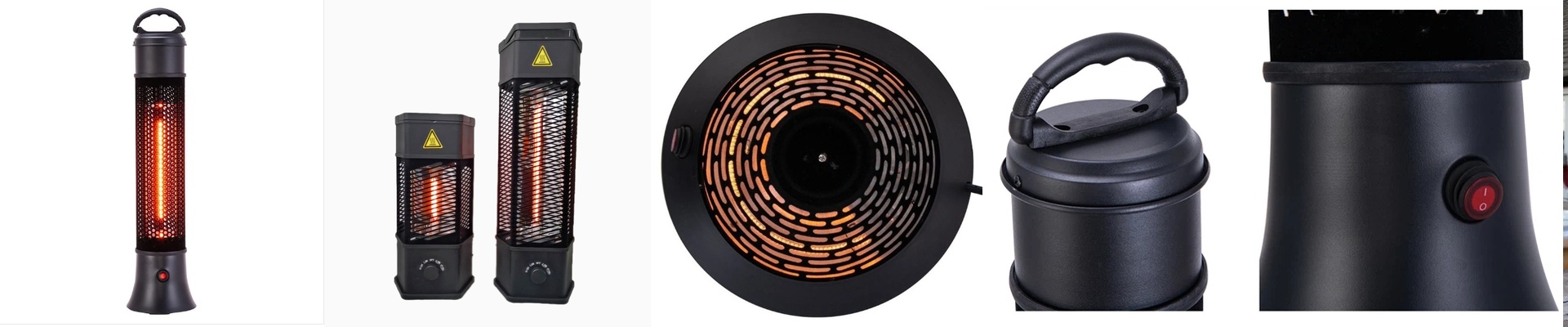
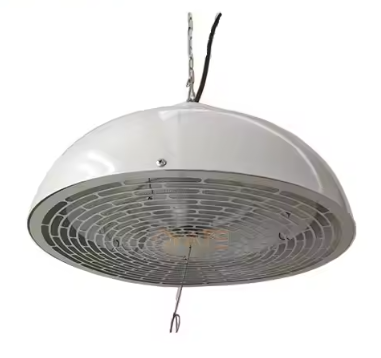
Let’s be honest: most old-school bathroom heat lamps are basically ticking time bombs. They aren’t sealed, and in a room full of steam and humidity, that’s a recipe for disaster. Moisture sneaks into the housing, hits the electronics, and—pop—your heater is dead. That’s why we’ve been moving toward IP65-rated infrared heaters. If you aren’t familiar with the jargon, IP65 just means the thing is tight. It keeps dust out and can handle water jets without flinching. For a heater, this means the quartz tube is sealed up tight and the electrical connections have heavy-duty gaskets. But here is the best part: it doesn’t just warm up the air. Traditional heaters try to fight the steam, which is a losing battle. Infrared is different. It sends heat directly to your skin. It feels like standing in a patch of sunlight on a cold morning. It’s instant, it’s cozy, and it doesn’t waste energy trying to heat up a cloud of vapor. The Nitty-Gritty Stuff We use high-purity quartz glass for the tubes because it can handle the shock. You know how some glass cracks when it goes from freezing to boiling? This stuff doesn’t. It ramps up to full heat almost instantly. But the real secret is in the seal. We use specialized silicone gaskets and potting where the wires enter the tube. If that seal is flimsy, moisture gets in and the filament blows out immediately. Simple as that. A Few Tips for Installation These are designed to be drop-in replacements for those old, leaky fixtures. The wiring is pretty straightforward. Just a heads-up: make sure your circuit breaker can handle that initial surge of power when you flip the switch. One thing to keep in mind, though. Because these units are sealed tight to keep water out, they also trap heat inside. If you cram one into a tiny ceiling void with zero airflow, the electronics might get too hot and trip the system. It’s not a broken part; it’s just physics. Give the housing some breathing room, and you’re golden.